
How to Search the Sawpit Court Docket
Begin with the document that sent you looking. It may have arrived as paper, email, notice, or citation. Which court and agency issued it matters far more than where the incident happened. A Colorado state citation routes to San Miguel County Court. Felonies and general civil cases sit in District Court. Sawpit itself offers no query database. The town posts no municipal clerk or calendar. A document that expressly names a town-code authority needs a direct phone call to sort out.
- Read the issuing court, agency, case number, citation number, and response date on the document.
- For County or District Court, open the Colorado Docket Search and select San Miguel County.
- Enter the year, case class, and sequence, or use a party-name search.
- If the paper claims town jurisdiction, confirm its custodian instead of borrowing another town's process.
- Call the filing clerk before appearing when the location, time, or court identity remains unclear.
No Separate Sawpit Docket Found
Sawpit is an incorporated town of 42 residents, per the 2020 Census P1 place table. Small size alone settles nothing, though. Incorporation does not mean the town runs a municipal court, an online calendar, a citation portal, or a payment site. Sawpit publishes none of those services. The town also lists no sitting judge, no court address, no caseload report. It lists no recurring docket day either.
That gap is actually useful information. It keeps a Sawpit searcher from filing in the wrong place, such as Telluride or another nearby town. Trust the issuing document first. Then fall back on the San Miguel Combined Court. It is the public state-court option for the county. If the document truly invokes Sawpit town authority, ask that office directly who keeps the file and when the matter will be heard.
The Sawpit Municipal Court
Nothing official confirms a Sawpit Municipal Court in operation today. No honest listing is possible. No judge, clerk, docket schedule, location, or payment procedure can be given for it. Borrowing those details from Telluride, Mountain Village, Norwood, or Ophir would mislead you. Each of those towns runs its own distinct process. If a Sawpit ordinance notice names a municipal forum, call the contact printed on it. Ask who holds the file. Have key details close at hand. These include the citation number, the ordinance section cited, the date, and the issuing officer or agency. The paper may name San Miguel County Court instead. Then the Combined Court clerk and the statewide calendar take over. Whatever court the document names controls your route. Ask narrow, direct questions. Was a Sawpit case opened, and which clerk holds it? Is a hearing set, and how can the public request the record? A town contact cannot move a date or resolve a charge. Only the assigned court can do that. Get answers in writing, since the public paper trail here is thin.
Sawpit Docket Issuing-Court Check
A Sawpit address marks place, not jurisdiction. State-law traffic and misdemeanor cases belong to San Miguel County Court. Felonies and general civil matters go to San Miguel County District Court. A true town-code matter might use a town process. But with no official Sawpit portal to check, the issuing document is the guide that matters.
| Document says | Likely custodian | First check |
|---|---|---|
| San Miguel County Court | Combined Court clerk | State docket search |
| San Miguel County District Court | Combined Court clerk | State docket search |
| Colorado agency penalty assessment | Agency or County Court, based on status | Payment instructions and date |
| Sawpit ordinance or town authority | Custodian named by the issuer | Direct confirmation |
A citation handed out inside Sawpit limits is not automatically municipal. The court and charge source printed on the paper are the better clues.
Sawpit Court Dates and Settings
The free state-court calendar covers matters tied to Sawpit. Each entry can list the setting date and time. Duration, party name, case number, hearing type, location, appearance type, and courtroom may also appear. Searches reach up to six months ahead. You can pick County or District Court when you know which one is handling the case. One caution: the appearance field may be blank. Ask the clerk to confirm rather than guess. A blank entry does not tell you whether the hearing is remote or in person.
| Date | The live scheduled date, subject to later reset or continuance. |
|---|---|
| Time | The docketed start time, which should be checked before travel. |
| Location | The courthouse named in the state result or issuing document. |
| Appearance type | Remote or in-person mode when populated; confirm blanks. |
| Hearing type | The court's label, such as First Hearing, Setting, or Arraignment. |
Sawpit posts no public town calendar. A date printed on a town document belongs with its named issuer, not with some unrelated municipal portal.
Missing Sawpit Docket Results
A Sawpit search that returns nothing does not settle anything. The case may fall outside your date range. It may sit under another class, carry a differently indexed name, or rest with a municipal office. It could also be archived, restricted, suppressed, or sealed. Check the full case number first. Party mode tells individuals apart from businesses. Colorado builds it from a four-digit year, a class letter, and a sequence of one to six digits. If the court level is unclear, search County and District Court separately. A state case that still fails to appear deserves a call to the San Miguel Combined Court at 970-369-3310. The official record-request form works too. For a claimed town case, go back to the issuing source. Sawpit offers no portal to check. That contact matters more, not less. And remember the limit of a blank screen. A missing hit may reflect custody or access rules, never proof of a dismissal.
Sawpit Traffic Tickets
Start with the ticket itself. Whoever wrote it, and the court printed on it, tell you where the case lives. A citation from the San Miguel County sheriff or Colorado State Patrol may be a simple payable penalty assessment. Or it may be a summons that requires court. Penalty assessments handled by the Department of Revenue generally must be postmarked within 20 days. But a summons, a municipal citation, or a matter already transferred to court cannot be paid to DOR.
The San Miguel County traffic guidance spells out the difference between payment and a mandatory court date. Judicial collections searches a court payment by case number. It also takes a name plus date of birth, or a ticket number. If a Sawpit-related citation names County Court, confirm the hearing with the Combined Court, and the San Miguel County traffic court records page walks through the county route. Sawpit offers no payment page of its own. There is no defensive-driving shortcut here.
Paying an eligible penalty assessment works as a guilty plea. A summons is different. It can require an appearance. Once an older assessment moves into court, the original agency may stop accepting payment. Keep the ticket and any receipt. Give the clerk the case or ticket number when you ask about status. Never mail cash.
Sawpit Court Record Fallback
When Sawpit's town records fall short, the San Miguel County Courthouse is the place to go. It sits at 305 W. Colorado Avenue in Telluride. The Combined Court clerk works from the second floor and takes mail at P.O. Box 919. Call 970-369-3310 with questions. The counter serves the public Monday through Thursday, 8:30 a.m. to 5 p.m., though Friday access varies, so confirm by phone first.
San Miguel Combined Court Clerk
305 W. Colorado Avenue, second floor
Telluride, CO 81435
Mail: P.O. Box 919
970-369-3310
SanMiguelClerk@judicial.state.co.us
Start with the clerk for a Sawpit state court matter. The clerk's office can route a filing. It can also hand out an official register of action, take a document request, or explain how archive retrieval works. Do not take the same question to the separately elected County Clerk & Recorder. That office does not keep court case files at all.
For hearing details, the free calendar is the tool to use. Requests for an ROA, an order, a judgment, a ticket, or a certified copy have several routes. Use the statewide record form, email, fax, mail, or the counter. Older material may sit off-site, and retrieval runs at actual cost. Suppressed, juvenile, probate, or protected files add another layer. Bring government-issued photo identification and proof that the requester is authorized.
Where Sawpit Cases End Up
For a Sawpit town-code case, the paper that proves it stays with the local custodian named for that matter. Anything under state law splits between two courts. Misdemeanors and traffic infractions land in San Miguel County Court. So do small claims, protection orders, and limited civil cases. Felonies belong in District Court instead. So do general civil actions, domestic relations, probate, juvenile, and mental-health cases.
Docket flow: Sawpit issuing authority › San Miguel County Court › San Miguel County District Court
Treat this routing as a guide. It is not a promise that every case hits each level. An appeal out of County Court can open a District Court record. A felony complaint may start in County Court. It can later shift to District Court. The San Miguel County court docket overview spells out the county's full court structure.
Sawpit Federal Docket Boundary
Federal cases work differently. A Sawpit resident or business can land in federal court, but those matters never merge into the Colorado state docket. They run on a separate track. Geography still matters, though: the District of Colorado jury plan places San Miguel County in Jury Division Two. For searching federal dockets nationwide, the official PACER service is the route, and that jury plan document spells out how county residents get assigned to federal jury duty.
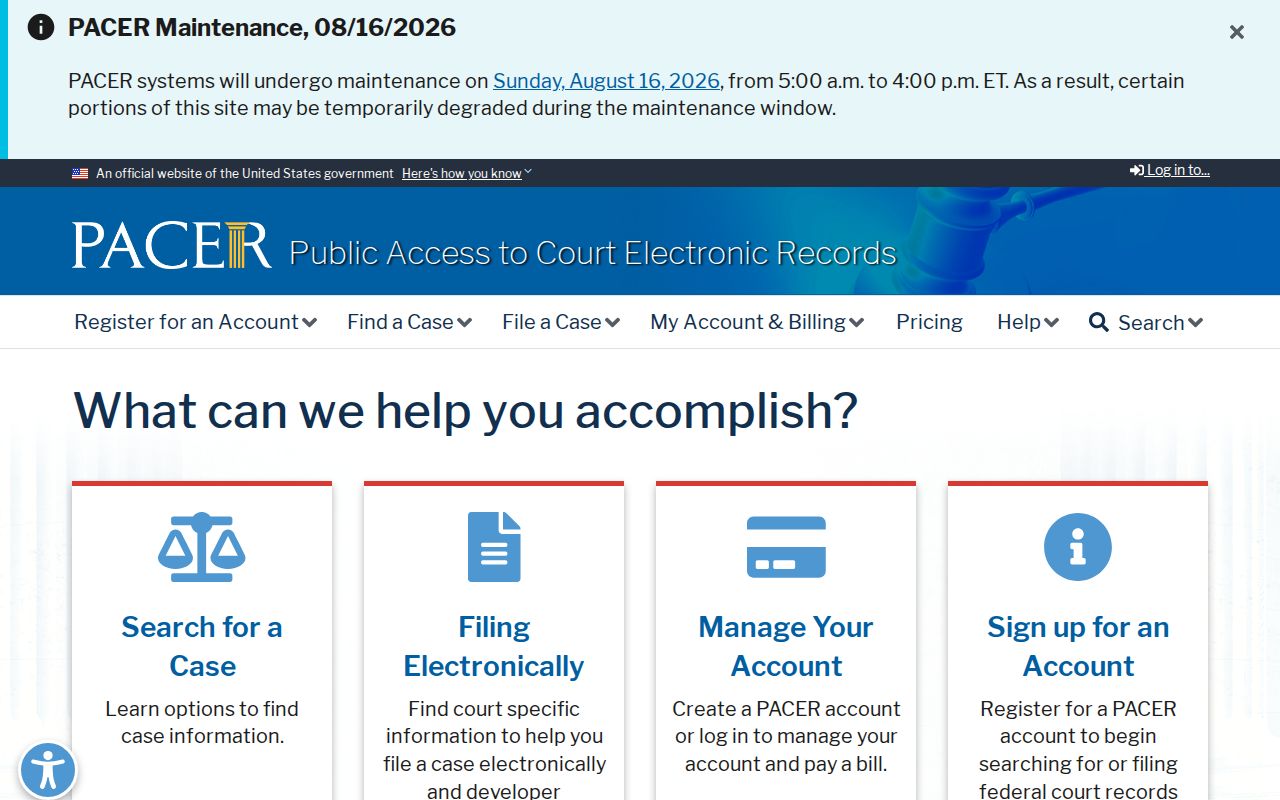
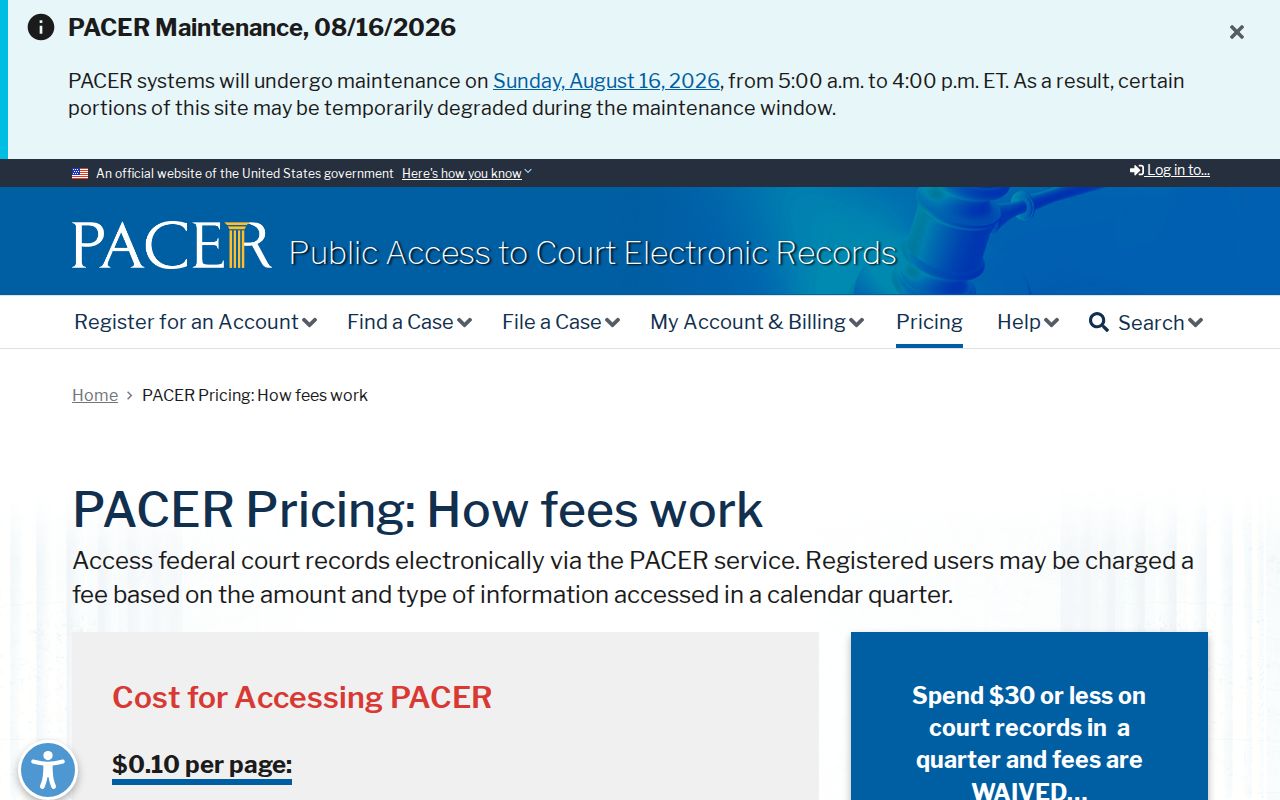
PACER is not free. It needs an account, and it generally bills $0.10 per page. The service's own pricing page spells out the caps and fee waivers that can limit what a docket search actually costs.
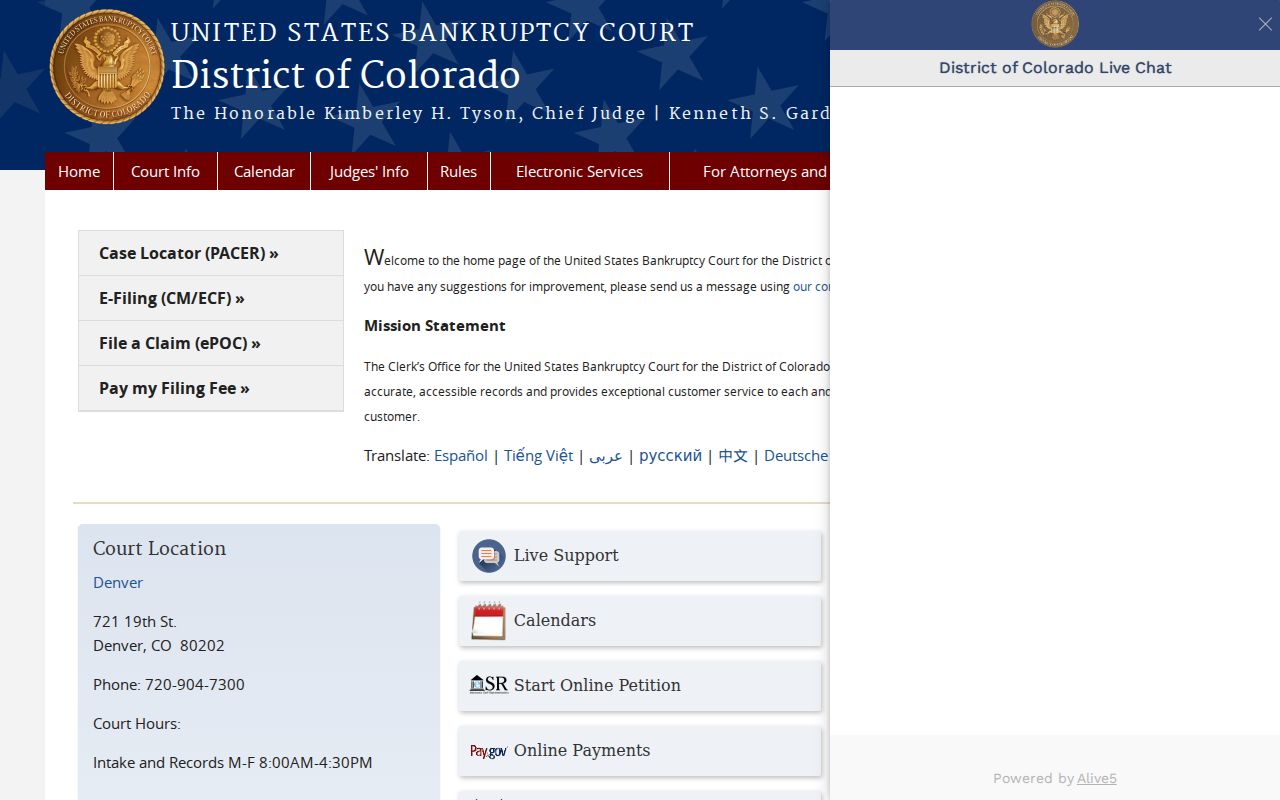
Bankruptcy is federal too. Those cases go to the U.S. Bankruptcy Court for the District of Colorado, not to any San Miguel County docket.
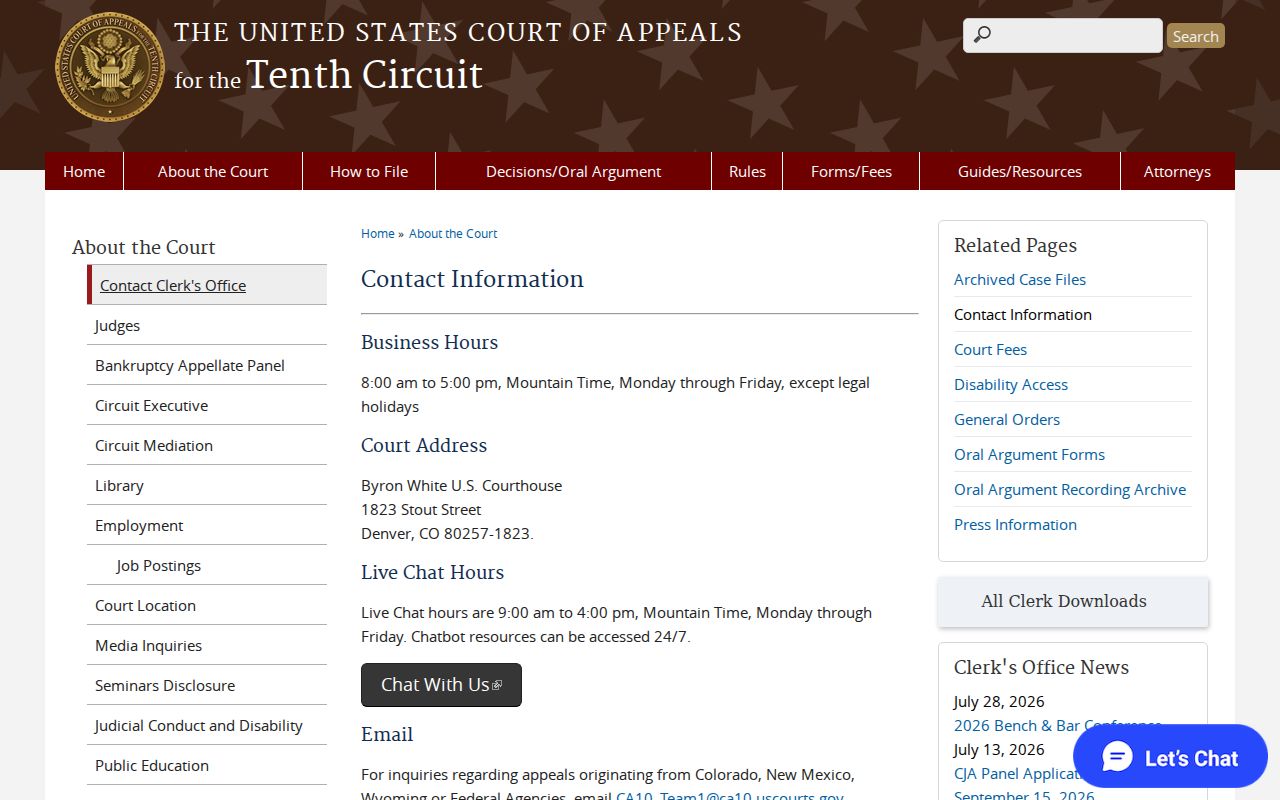
Appeals from federal district court head to the Tenth Circuit. Its clerk contact page names the staff who handle Colorado cases.
Federal searches fill a different role than the Sawpit and San Miguel state-court lookups. Use them only when the paper itself names a United States court.
The docket format changes at the federal level too. PACER lists numbered entries in the order filed. Each entry ties to its document. Colorado's free state tool displays hearing events as cards instead. CourtListener's RECAP archive sometimes offers contributed federal filings without charge. Its coverage has gaps, though, and it is not the official record. For a certified federal copy, ask the filing court.
Sawpit Docket Search Checklist
A careful Sawpit docket search ties every clue to the court that made the record. These checks keep the request local and precise. They also avoid assuming Sawpit runs an online municipal system at all.
- Sawpit issuing court: copy the court name exactly from the Sawpit citation, notice, or pleading.
- Sawpit case number: preserve each digit and class letter before entering the Sawpit docket fields.
- Sawpit party name: try the full filed name and choose the right Sawpit individual or business mode.
- Sawpit hearing date: check the live Sawpit-related result after reviewing any saved or printed copy.
- Sawpit record type: state whether the Sawpit request seeks a calendar event, ROA, order, or certified copy.
- Sawpit access issue: tell the Sawpit record custodian if the requester is a party and can provide identification.
- Sawpit fallback: use the Combined Court only for a Sawpit matter within its County or District Court custody.
Sawpit docket questions route faster once a few details are in hand. The town name alone will not carry you far. You also need the court level, the record type, and the office that issued it. Those three facts point the inquiry toward the Combined Court, a confirmed town authority, a state agency, or a federal clerk.
Public Access to Sawpit Court Records
Who holds the Sawpit record decides how open it is. Colorado trial courts follow CJD 05-01. The rule sets terms for remote access fields, inspection, copies, fees, and limits. Public material stays reasonably available. Protected items, though, may be redacted. Sensitive records such as suppressed, sealed, juvenile, or probate files can require identification plus authorization.
Key rules:
CJD 05-01 sets the main Colorado court-record access framework.
C.R.S. §§ 24-72-304 and 24-72-305 address inspection and lawful limits for criminal justice records.
C.R.S. § 19-1-304 restricts juvenile-record information.
Start with the town authority that holds the Sawpit court records you want. The municipality keeps custody of its own docket material. It offers no online portal for these case files.
Not everything in a docket is public, even at a distance. Electronic display can leave out contact data. It may omit victim and witness information, detailed financial data, and free-text material. A filed request will not override a seal or any other access restriction. Ask the town clerk what may be inspected and what proof you need to bring.
Sawpit Court Record Custodians
Who holds a Sawpit court record depends on what kind of record you want. The state docket search covers calendar settings in County or District Court. For a chronological ROA, use a vendor from the official Access Guide. Just remember that vendor data is not the official record. Certified copies and official case documents come from the Combined Court clerk.
A court file is not a DMV driver record, either. The clerk controls the charge, setting, plea, and disposition inside the judicial case. License status and driving history sit with the Colorado Division of Motor Vehicles. A federal docket lives in PACER or with the federal clerk's office that holds it. A municipal ordinance file belongs to the town custodian named by the issuing source.
Keep those roles straight. That is the Sawpit mistake people make most. They assume one nearby office or portal holds every case tied to the town. It does not.